Who is Oz and what’s his story?
Oz started as an engineer in India but found coding without a soul about as satisfying as a soggy burrito. A psych class flipped the switch, leading to a degree in computer science and an obsession with Human-Computer Interaction (HCI). From AR apps to game interactions, Spain became the perfect spot for a master’s in Interaction Design (and better tapas). Since then, he’s built brand installations and spent six years in medical tech, turning complex systems into intuitive experiences.
Why Oz, when there are 10,000 other designers out there?
Oz doesn’t just make things pretty; he builds UX that works harder than a caffeine-fueled intern. From motion-driven interactions to prototypes that catch problems before they exist, he makes the impossible look easy. His secret weapon? Blending design with nature’s best tricks (shoutout to biomimicry) and using systems thinking to make everything click. Others hand you a shiny UI; Oz makes sure it works. No head-scratching required.
How does Oz tackle projects without losing his mind?
Oz tackles projects like a science experiment, minus the lab coat. Every project follows four phases: Discovery, Concepting, Prototyping, and Refinement. He maps ecosystems, interviews stakeholders, and locks down user needs before diving into rigorous testing. What sets him apart? Collaboration isn’t a checkbox; it’s the core. Feedback isn’t a hurdle; it’s fuel. Design isn’t solo; it’s a team sport, and Oz plays to win.
*Disclaimer
All written by me, in the third person, because the alternative was a paragraph starting with “I am passionate about design”.
Instructional Design
Augmented Reality
Prototyping & Usability
Testing Classroom Research
Immersive Media Lab
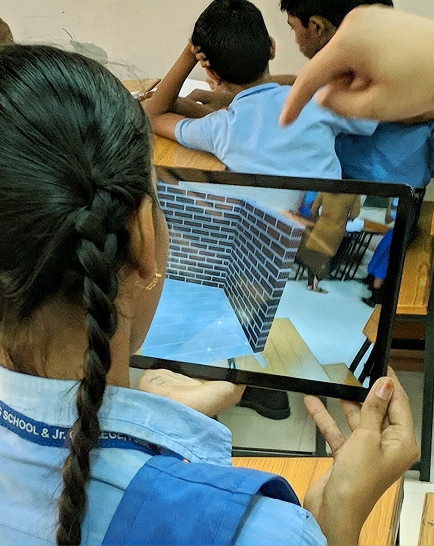
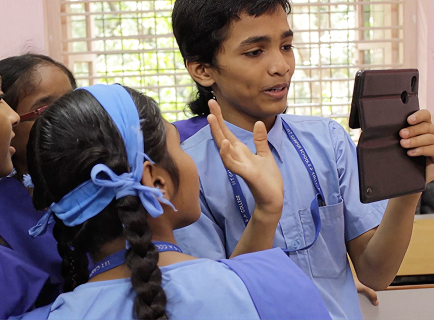
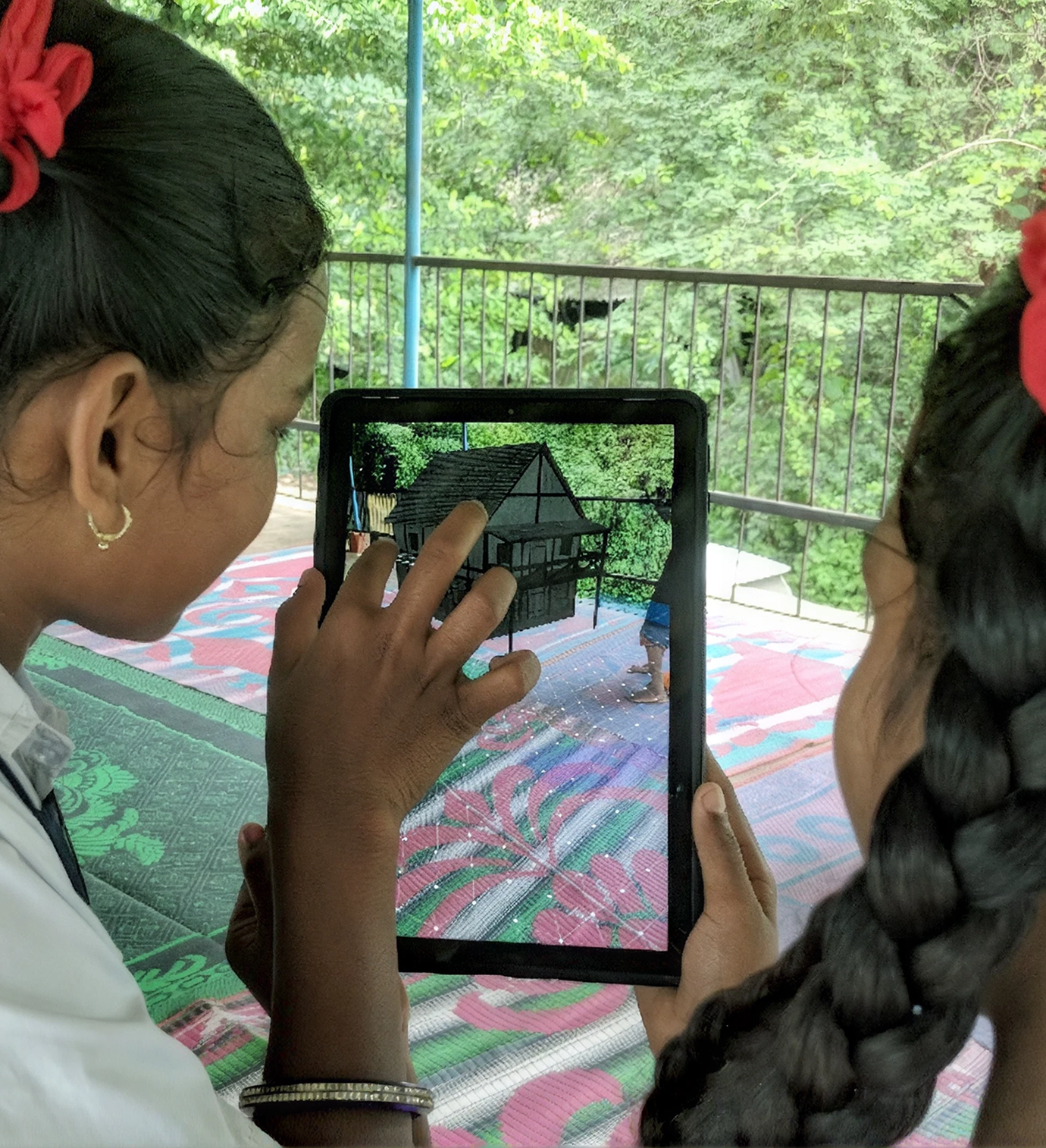
A student holding a tablet outdoors with an augmented reality model on the screenStudents in blue uniforms working with tablets at classroom desksA teacher holding a tablet while students gather around her
Mumbai, India
Teaching geometry with a phone instead of a blackboard.
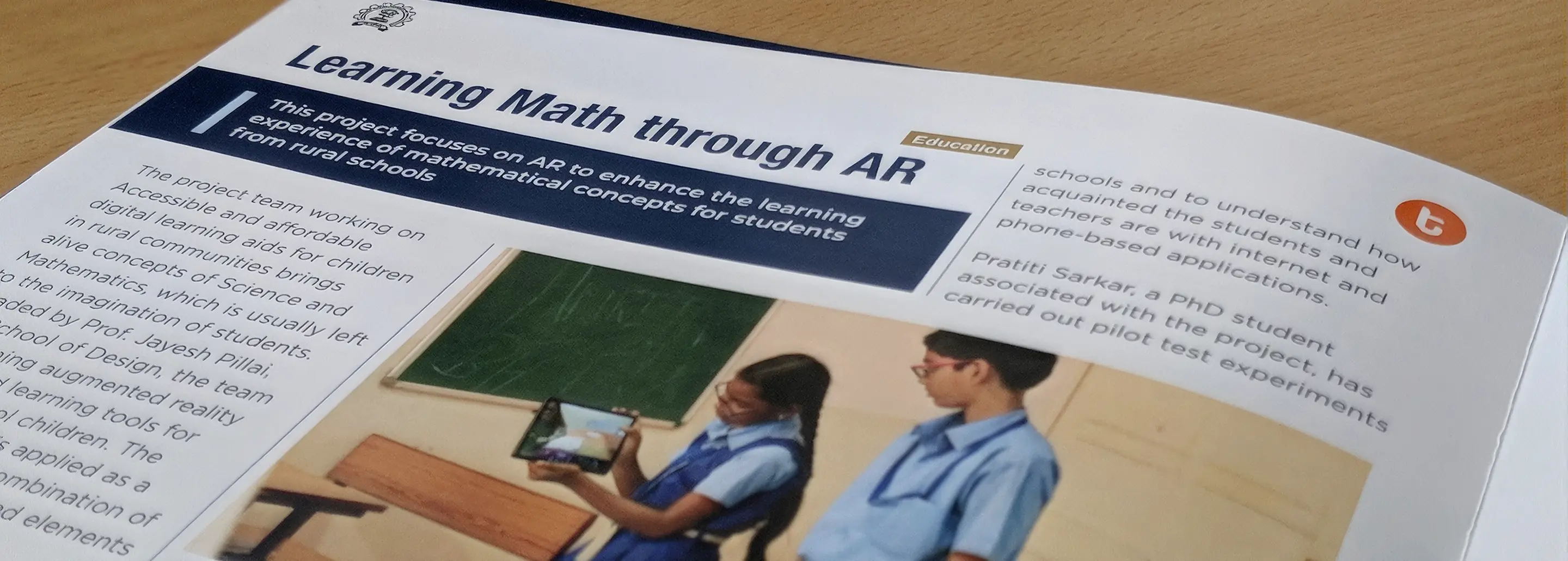
ScholAR was a research project inside IMXD Lab, led by Pratiti Sarkar for her PhD under Prof. Jayesh Pillai, backed by the Tata Centre for Technology and Design at IIT Bombay.

I joined the team building the AR app and running the early user research with students. Here's what that looked like.
A printed copy of the research paper, Learning Math through AR
Rural India
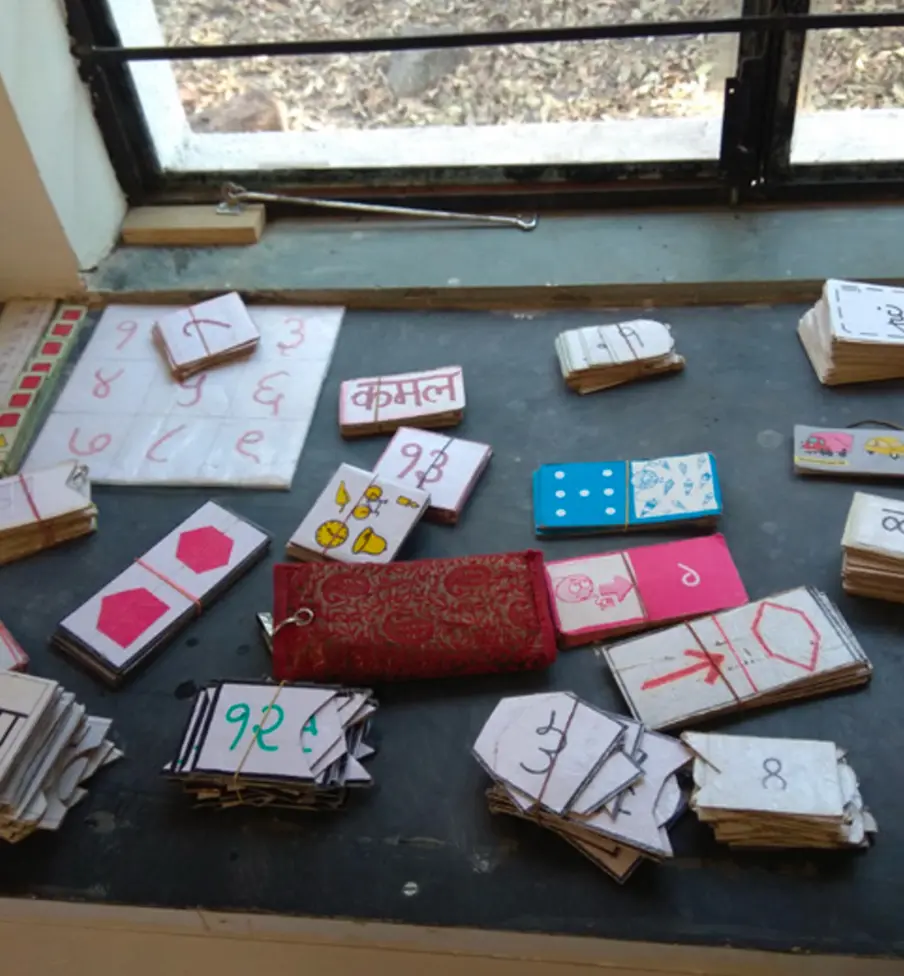
In January 2019, I spent weeks in classrooms watching how students engaged with geometry, and where the CBSE curriculum's explanations lost them. The gap wasn't ability, it was that lines, angles, and solids stayed flat on a page when they needed to be picked up and turned around. That was the problem the AR build set out to solve.
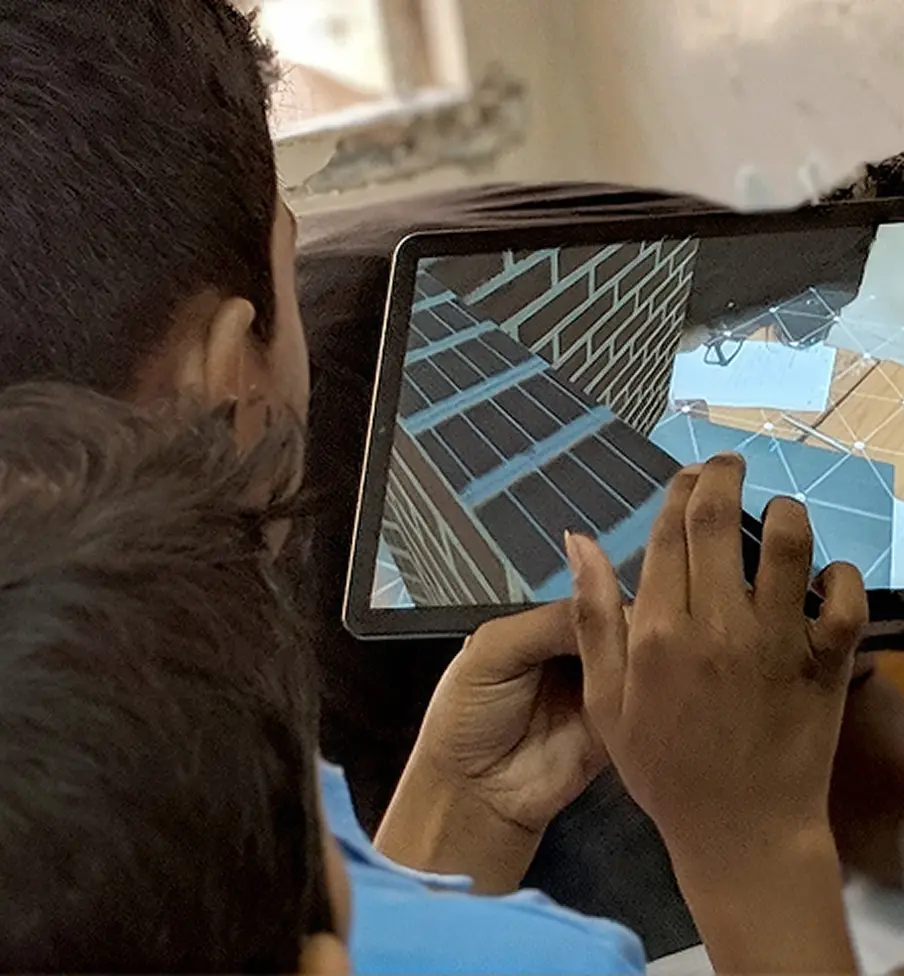
A full classroom of students during a research session, with a camera on a tripod recordingA student's hands using the augmented reality app on a tabletPrinted augmented reality marker cards laid out on the floorA phone held up in the classroom showing the augmented reality view
To engage students, math needed to leave the page and enter the room.
Making Math Real
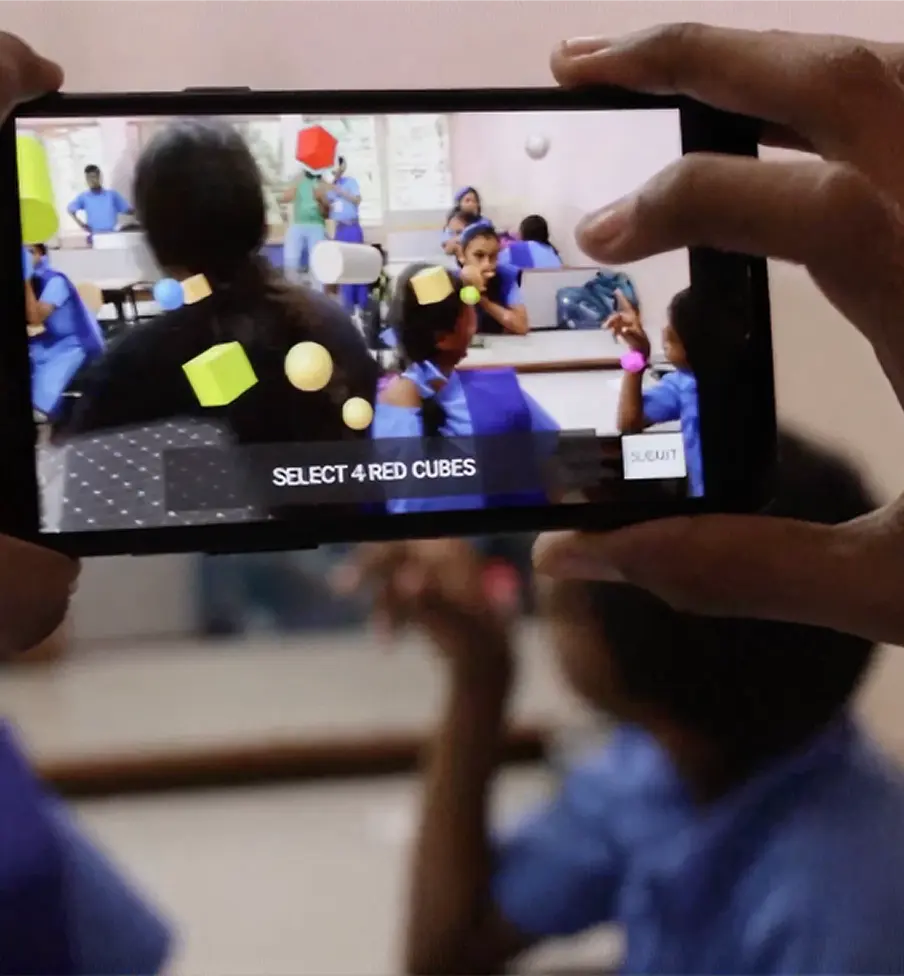
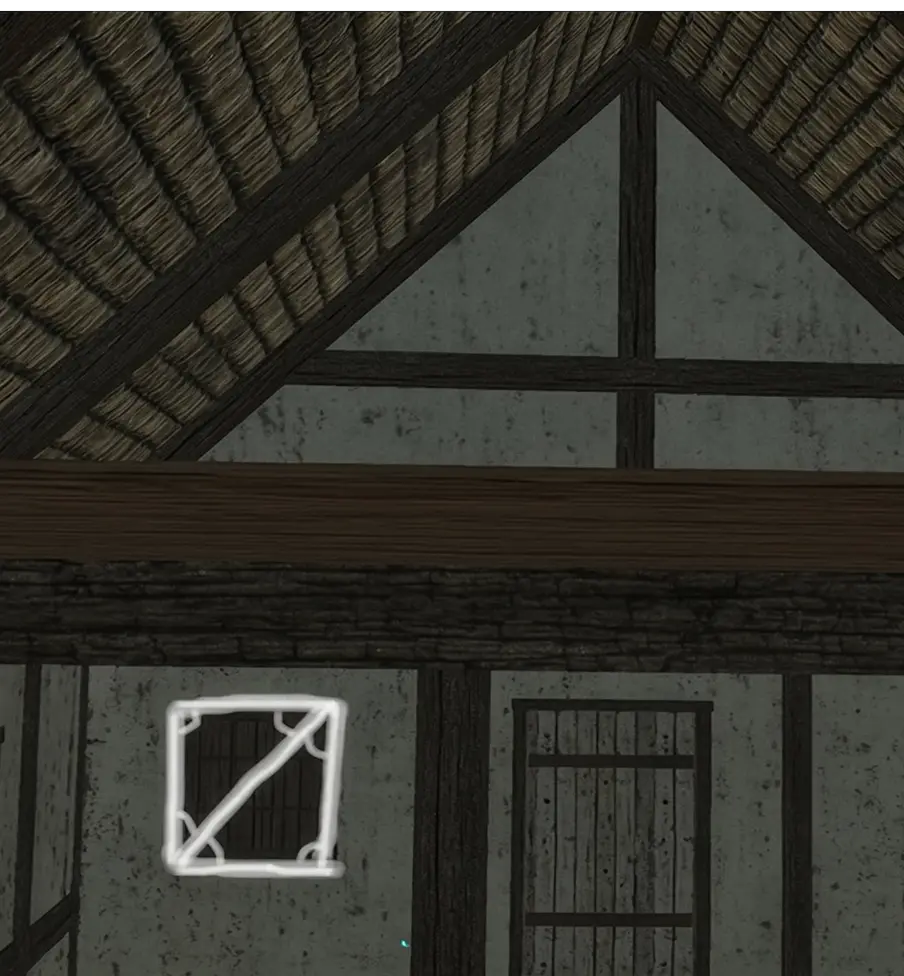
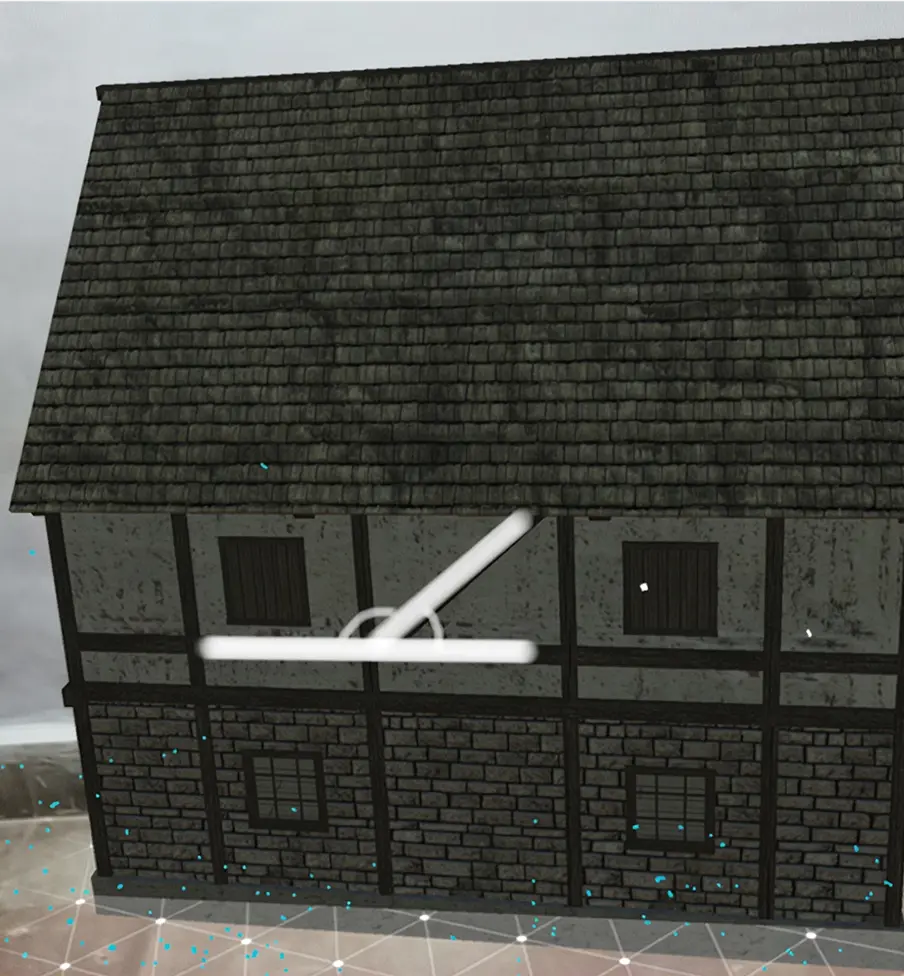
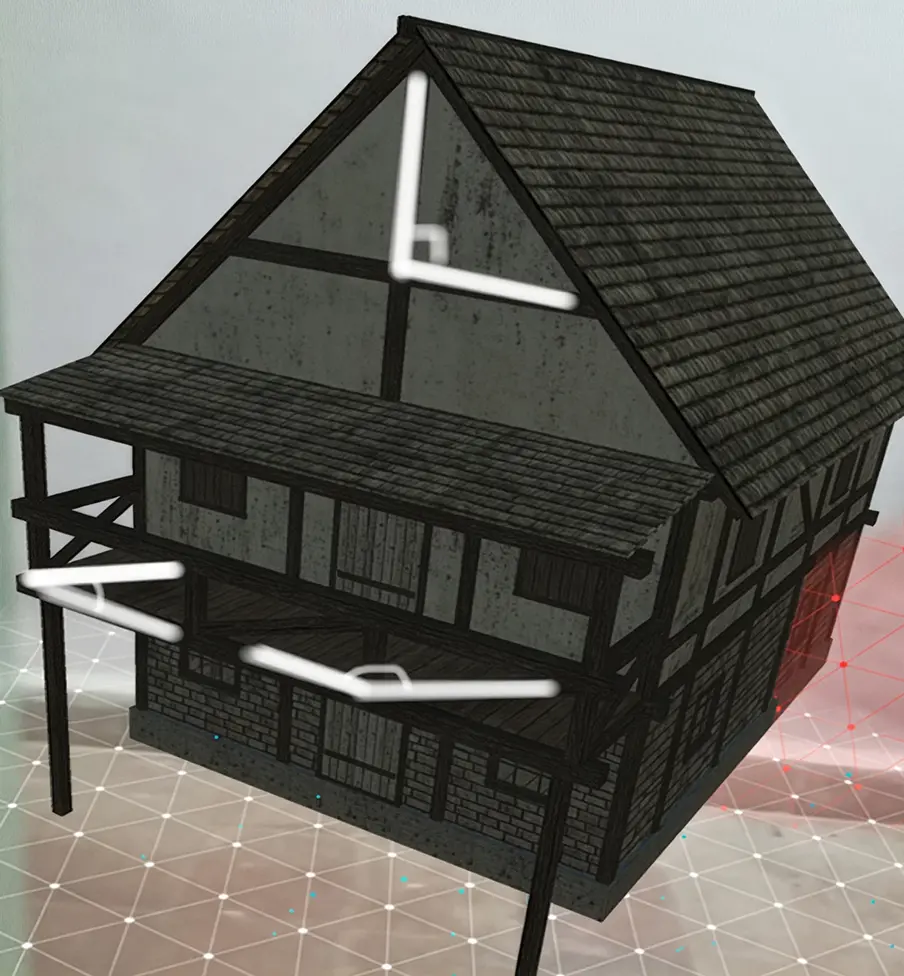
We built and tested activities in three stages, explore, apply, test, for two topics: Lines and Angles, and Visualising Solid Shapes. Students used iPads to overlay AR onto classroom objects, marking angles on a 3D house, or manipulating solids to understand their structure from any angle.

What stayed flat on a page became something they could walk around, and early testing with small groups showed those AR-first activities held attention longer than the same lesson taught from a textbook.
A 3D model of a house used in the geometry lessonThe 3D house model viewed from the outsideA cutaway of the 3D house model showing its internal structure
Designing for the Constraint
A second version added QR-coded cubes, letting students trigger the same shapes without needing a full AR setup, useful in classrooms without a device per student. Alongside it we built a teacher app, giving teachers tools to design lessons, track student progress, and collect feedback, running through the same rounds of testing as the student side.

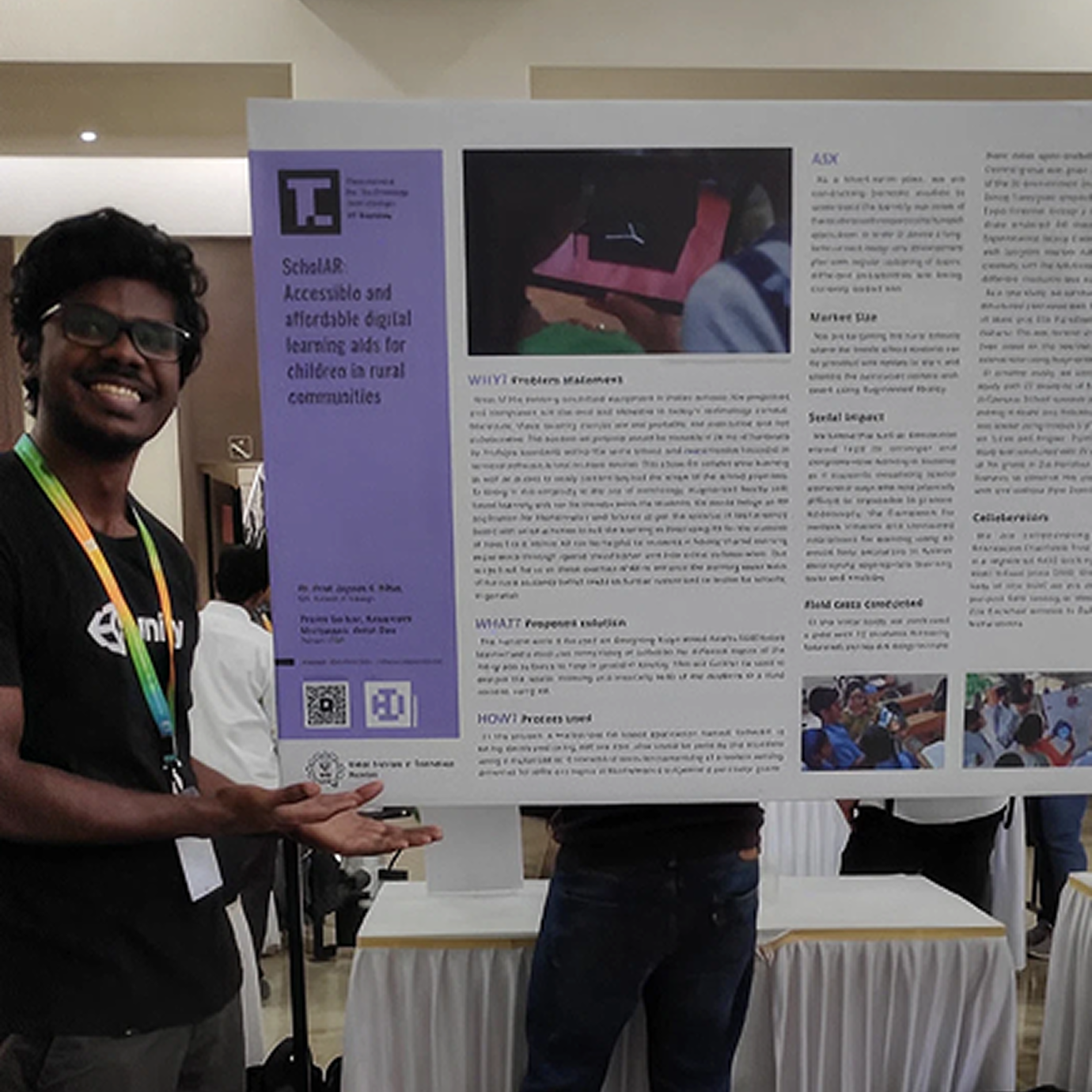
That testing became the backbone of a research paper, Study of Augmented Reality Interaction Mediums Towards Collaboratively Solving Open-Ended Problems, presented at ICCE 2019 in Taiwan. The wider ScholAR project went on to five more publications, including ISMAR 2020 and Springer's Smart Learning Environments.
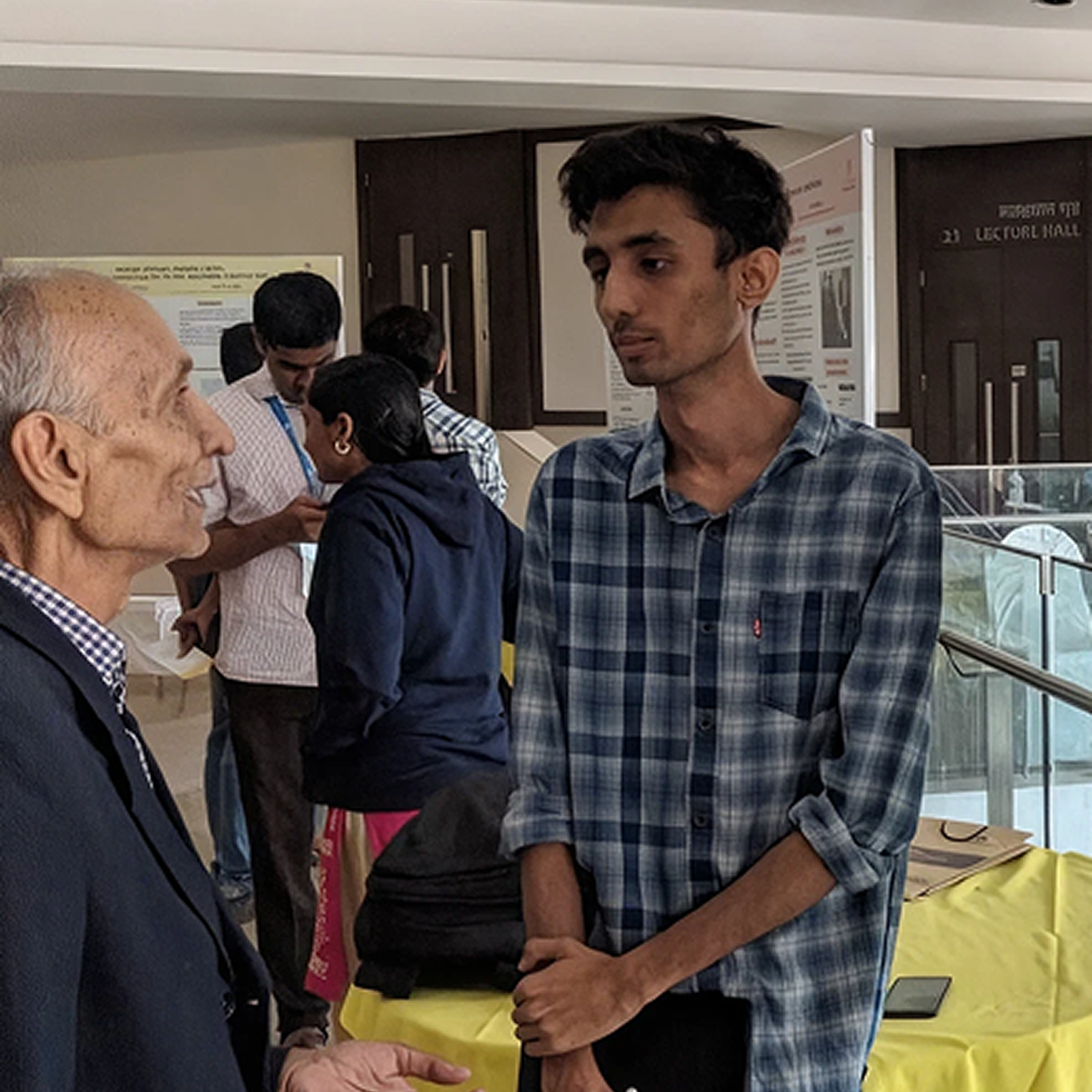
Presenting the research poster at the ICCE conferenceReceiving recognition on stage at the conference
Personal Learnings
Designing for a classroom teaches you fast that the constraint is the brief. No device per student, no reliable connection, thirty kids and one teacher: every one of those shaped what we built more than any idea we walked in with. Working alongside Pratiti and Prof. Pillai is where I learned to pair real curiosity with a research method, and it's what sent me to a master's in Interaction Design.
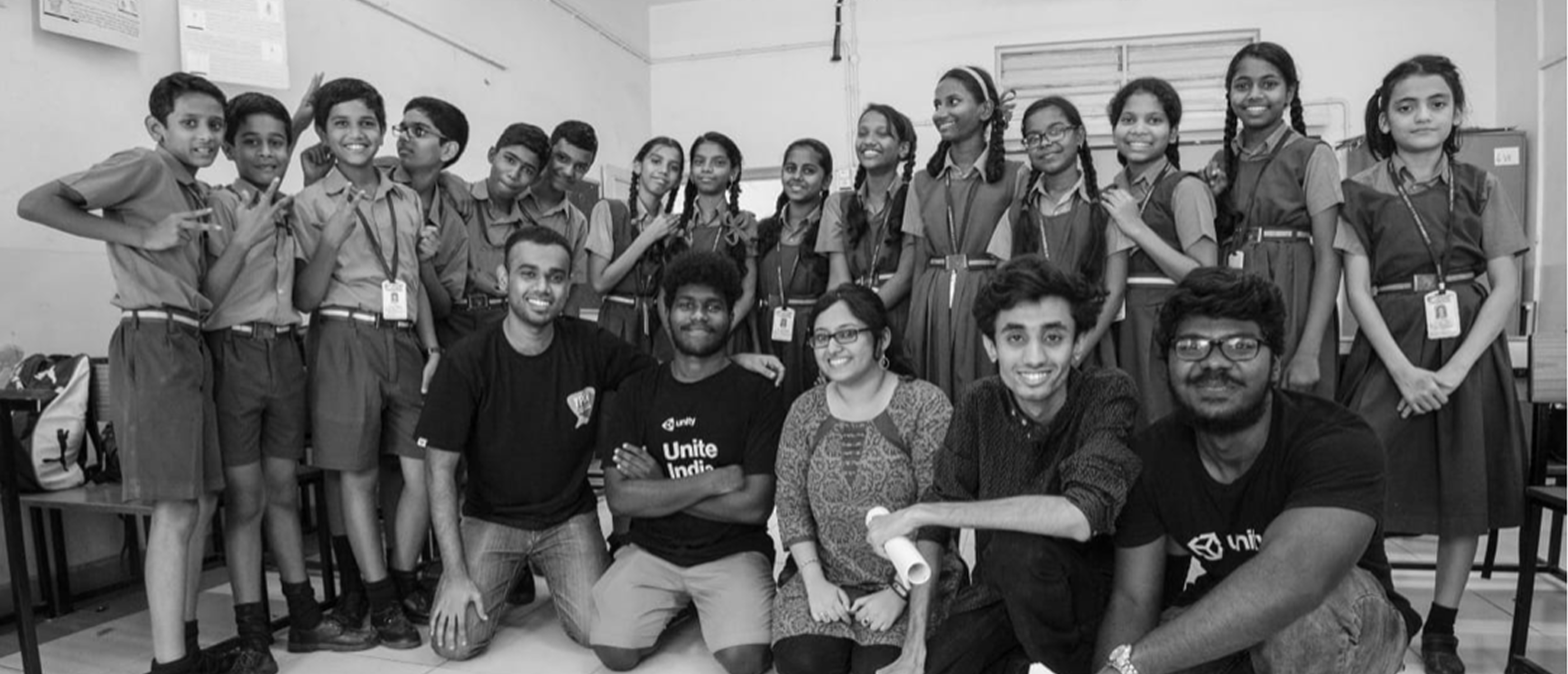
A group photograph with the students and teachers who took part in the study
Listen